
Concert/Komitas at 140 – October 18
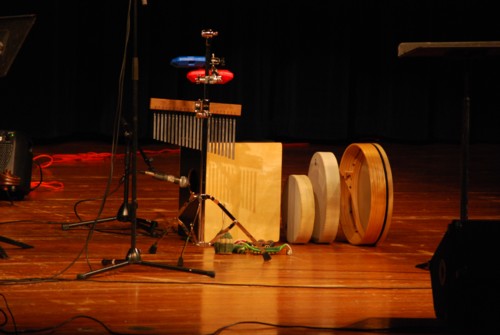
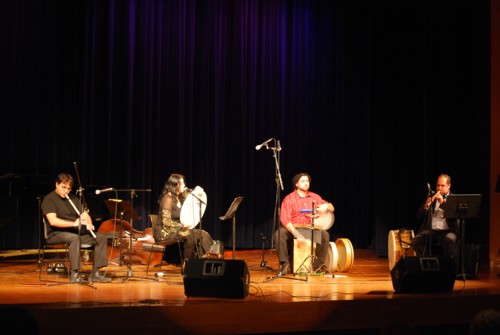
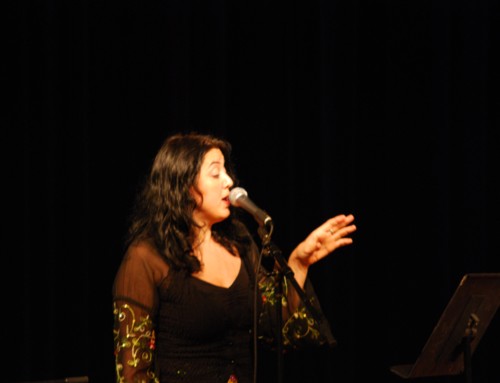
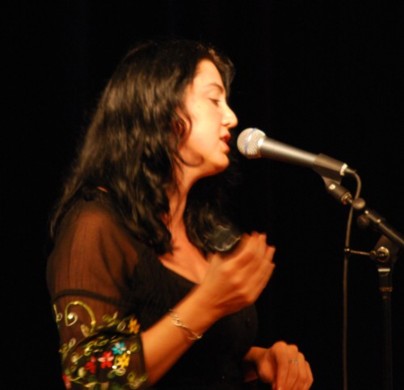
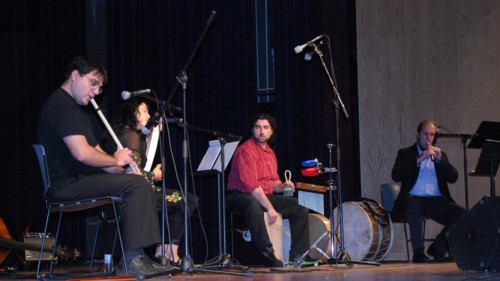
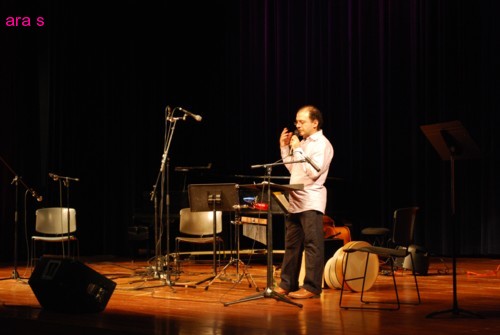
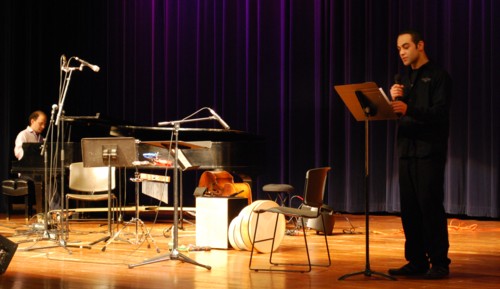
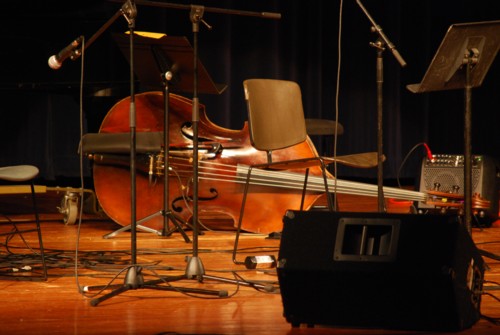
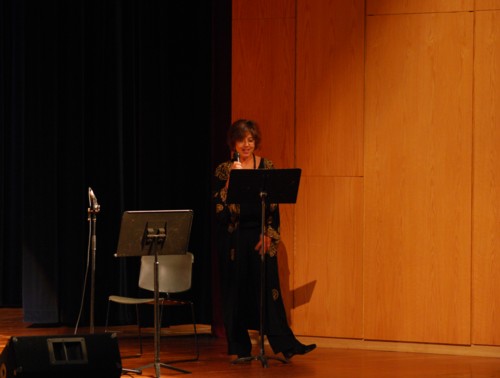
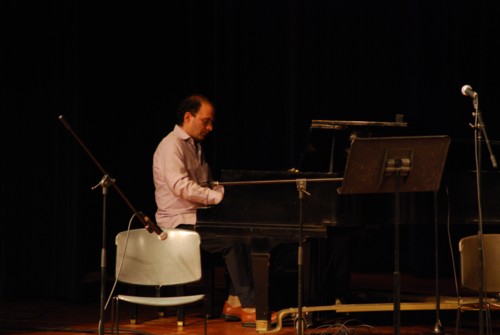
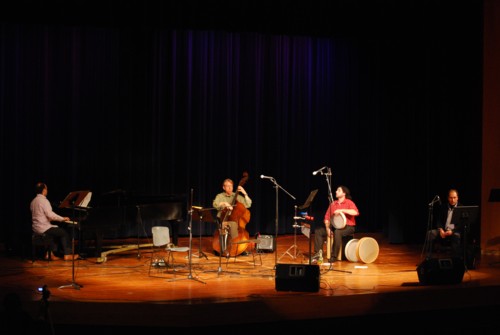
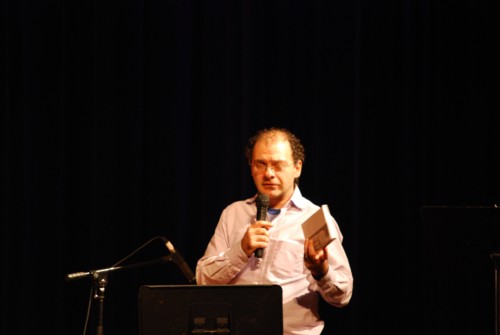
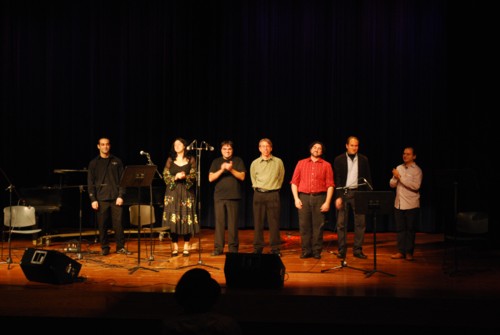
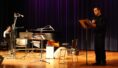
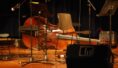
Andrew Blickenderfer, bass
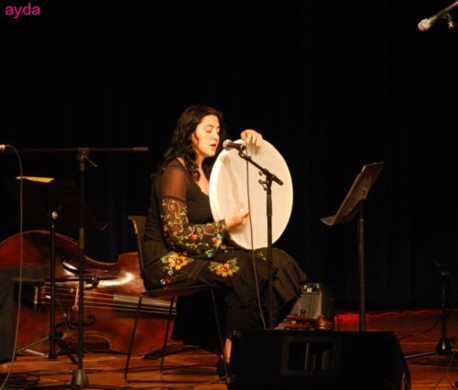
Ayda Erbal, voice and percussion
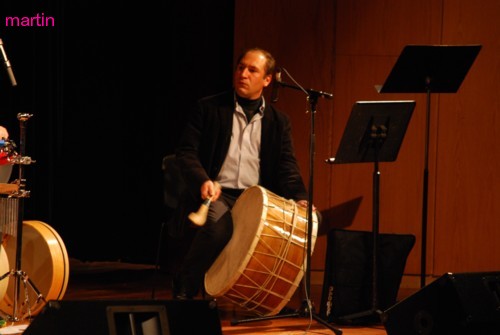
Martin Haroutunian, folk instruments
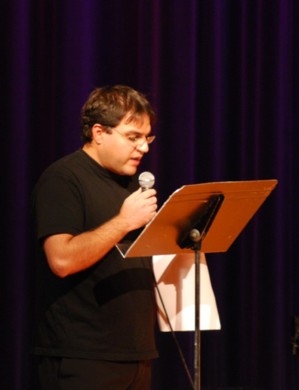
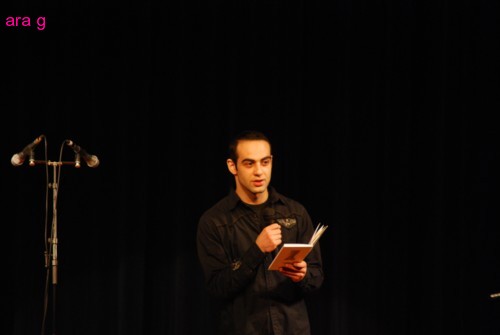
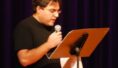
Ara Gabrielyan, reading
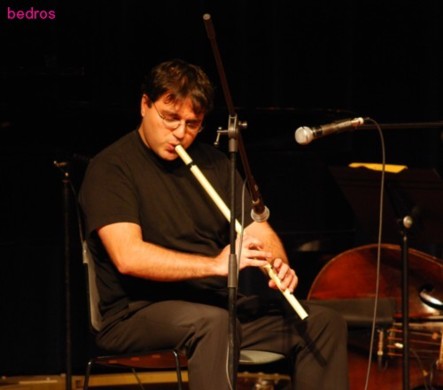
Bedross Der Matossian, piano and Ney
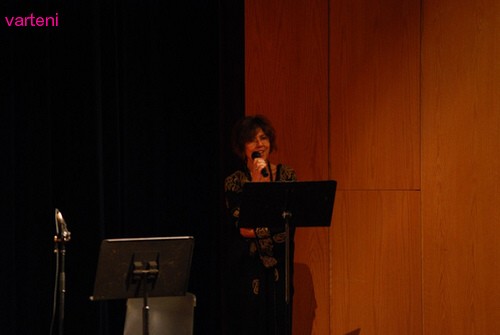
Varteni, poetry
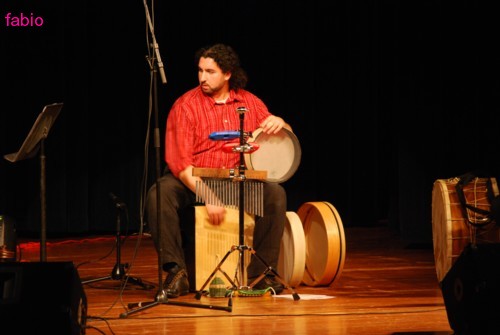
Fabio Pirozzolo, percussion
Ara Sarkissian, piano
Sunday
October 18 2009
2:30 PM
National Heritage Museum
33 Marrett Road Lexington, MA
One of the most renowned Armenian Churchmen and musicians of modern times, Soghomon Soghomonian was born into a musical family in Kutaha, Turkey. At age eleven he was orphaned and was sent to the Seminary in Etchmiadzin, the Mother See of the Armenia Church. He became a teacher at the Seminary after completing his studies and in 1896 was ordained a monk or “apegha”. A few years later he was ordained a “Vartabed” and as is the practice assumed his new name “Komitas” (or Gomidas).
Komitas learned a great deal of music from the monks and continued to study music with the famous composer Kara-Mourza which eventually led him into both secular and religious music. He then traveled to Berlin, enrolled in the Kaiser Friedrich Wilhelm University, and studied music under Richard Schmidt. In 1899 he acquired a title of Doctor of Musicology and returned to Etchmiadzin where he took over conducting of a polyphonic male choir.
He wrote over three thousand songs and also contributed significantly to the modern Armenian Badarak [Divine Liturgy]. His main contribution was to rediscover Armenian folk music. He spent years traveling throughout the provinces and visiting many villages listening to native songs and making notes of them for further analysis. He was the first non-European to be a member of the International Music Society.
In 1915 he was arrested with hundreds of Armenian intellectual to be deported to the Arabic desert. Through the efforts of Henry Morgenthau, Ambassador from the United States of America, and the Turkish poet Mehmet Emin Yurdakul, he was released and exiled to Europe.
Comments (0)