
Armenian Authors Reading Aloud
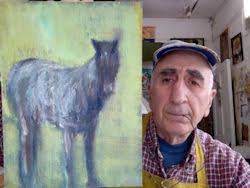
Peter Najarian is an accomplished contemporary American writer and a painter/sculptor. His novels include Voyages, The Great American Loneliness, The Artist and His Mother, The Daughters of Memory, The Paintings of Art Pinajian and The Naked and The Nude.
The reading he offers here is from The Daughters of Memory. The novel is narrated by an artist who is telling the story of his mother. In real life Peter’s mother comes to America at age 16 following the Armenian Genocide in Turkey where she loses her own mother in the massacres. She tells Peter she can not recall her mother’s face which then moves Peter to become a painter by attempting to create his grandmother’s image. This reading is an excerpt from a youtube video of reading by Marek Breiger and Peter Najarian at Albany YMCA/Albany Library Brown Bag Speaker’s Forum. The entire Najarian reading of 35 minutes is also downloaded on our website by his permission and can be viewed at the bottom of this presentation.
Here are two short excerpts from the main video: the first is an introduction to the book
and the second is a reading from the book. Peter has chosen to read parts of the book which are ‘conversational’ dialogues among older women: as Peter calls it “in a Chorus” form which includes her mother and friends.
Here is the full reading of 35 min
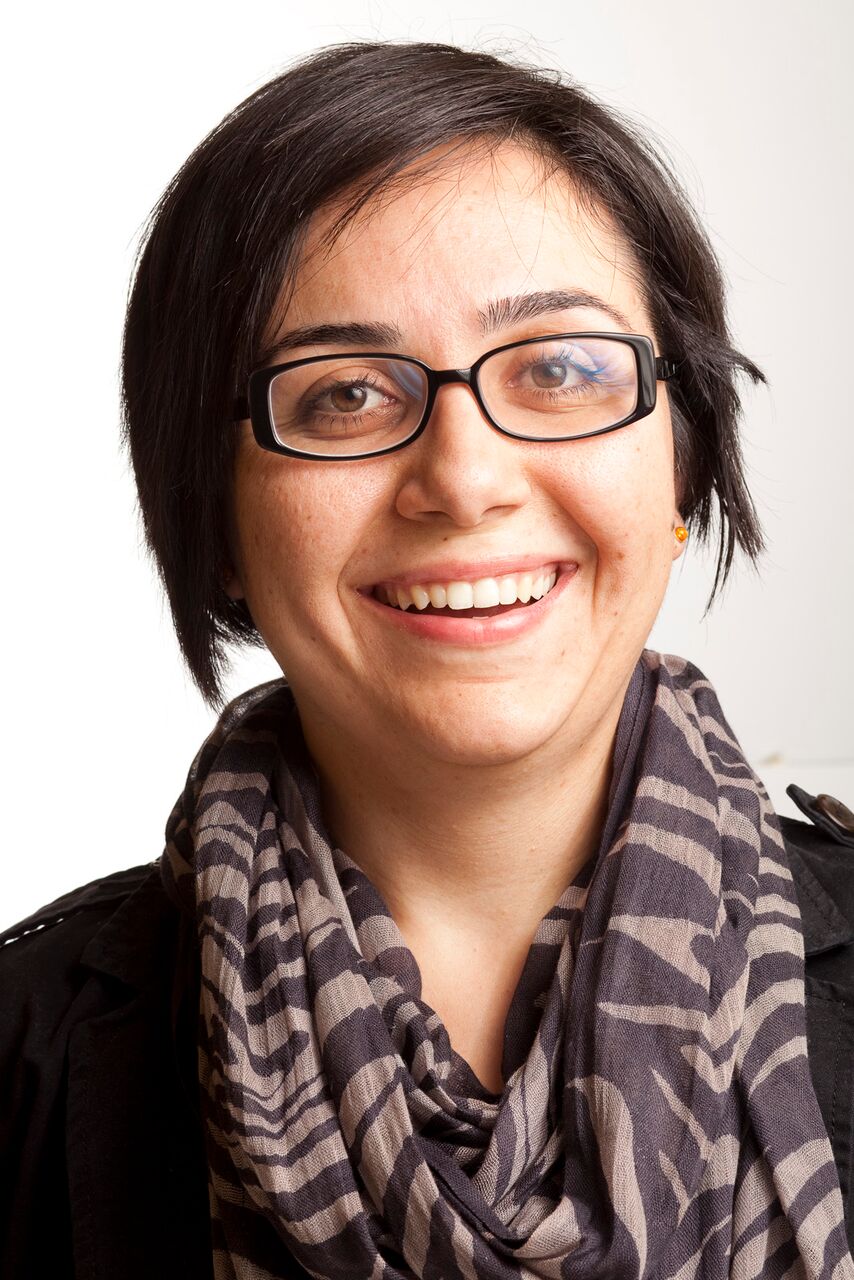
My name is Nare Garibyan. My contribution for the Amaras Art Alliance initiative is a poem from my poetry collection, When Ruins Speak: A Journey of Poems, which I self-published in 2016. The poetry collection is inspired by a life-changing journey, my friends and I experienced in 2005. We traveled for 11 days within the boarders of Western Armenia (Eastern Turkey) where we explored the ruins of Armenian villages, churches, and landscapes, lingering like ghost towns with so much to express. We discovered how much we have lost and what we can still be thankful for, as we work to protect and preserve current day Armenia.
The poem I recite here is called, The Coffee Cup, the Lion, and the Lioness. This poem depicts my reflections after unexpectedly meeting an Armenian family, in the region of Arapkir. The fascinating aspect of the meeting was that we were able to converse and spend time with an Armenian family, of three generations, in the heart of Western Armenia, speaking Armenian and living in their birthplace, in their family home. It was a profound moment.
I am a poet and a writer. When Ruins Speak is my first poetry collection. I am currently working on a children’s book, which is in the illustration stage. When I am not writing, I enjoy my role as an academic counselor at Glendale Community College, in Glendale, CA.
When Ruins Speak: A Journey of Poems is available for purchase on amazon
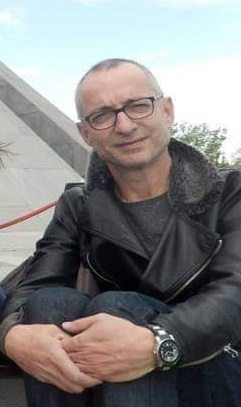
Vatche Demirdjian writes, paints, teaches, and enjoys life in Paris. Originally from Lebanon, he migrated to Paris in 1976. He says, at a young age I was fortunate to be a student of painter M. Vasken Tutunjian who opened the doors of the creative world to me.
text to the poems in Armenian
The Taste of Lavash
I Know You Are Not a Scientist
Postcard from Russia
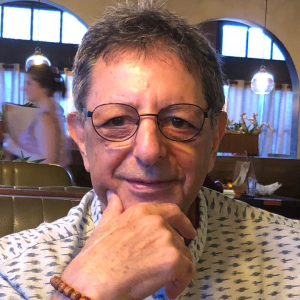
Michael Minassian is a Contributing Editor for Verse-Virtual, an online magazine. His short stories and poems have appeared in such journals as Comstock Review, Evening Street Review, Fifth Wednesday, and Poet Lore. His chapbooks include poetry: The Arboriculturist (2010); Chuncheon Journal (2019); and photography: Around the Bend (2017). His poems have also been included in The Armenian Poetry Project, An Anthology of Armenian Poets, and Licht: A Museum of Poetry published by Amnesty International (Netherlands). His full-length poetry collection Time is Not a River was released in 2020. For more information: https://michaelminassian.com
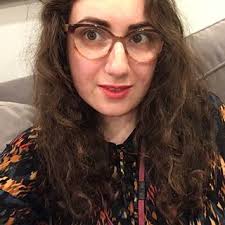
Born and raised in the Boston area, Sharisse Zeroonian is a filmmaker and writer by night and works at the Belmont Media Center by day. She has written and directed three films so far, including “The Mouse in The Bread” (2018), and has written several plays, short stories and poems. She is currently working on an original television series. Her work has been featured in The Armenian Weekly, Angie’s Diary, NYU’s Minetta Review and on NPR.
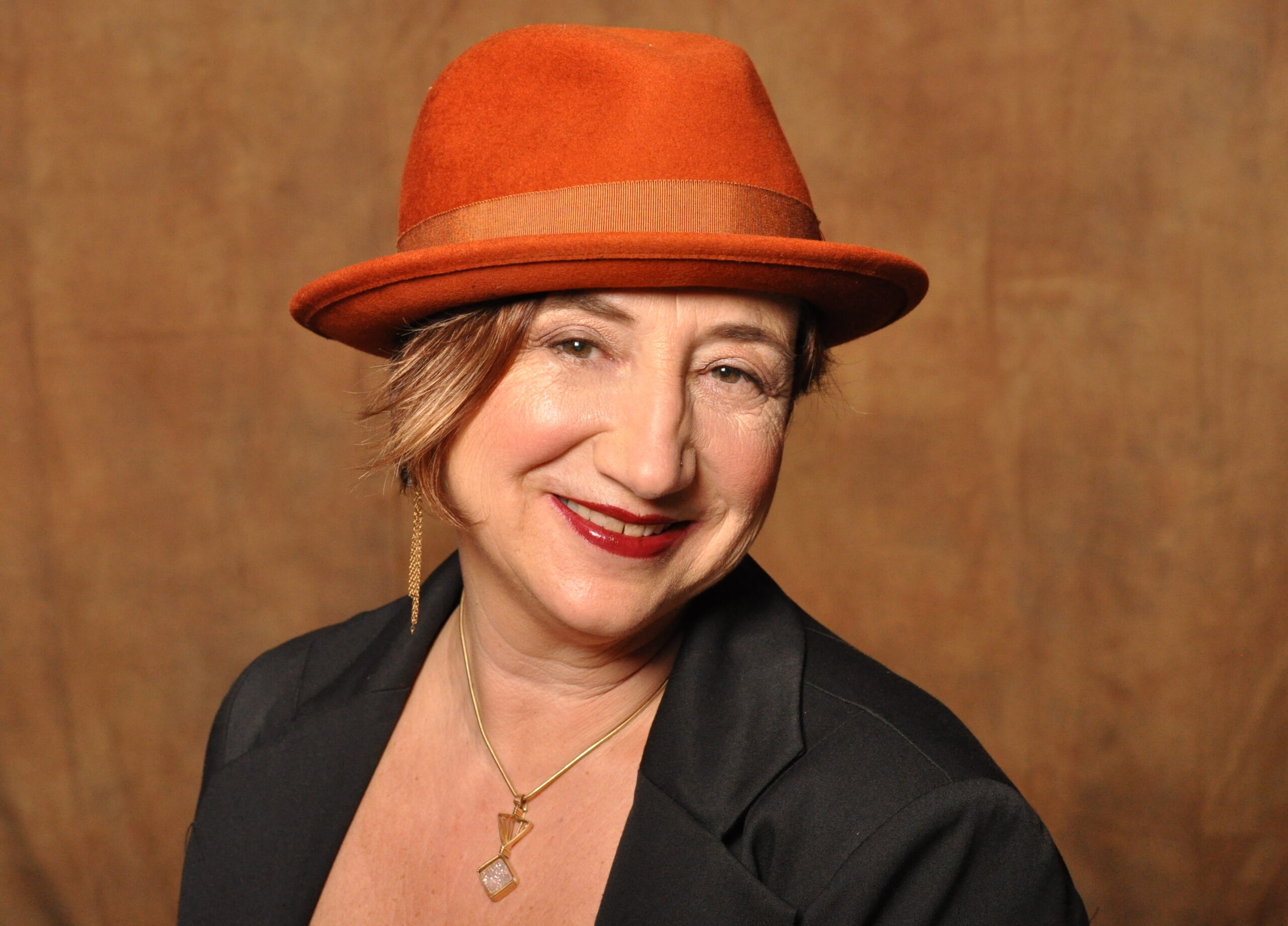
This has been previously published in Hyebred Magazine, Fall 2019, Issue 06 and will be part of a bigger collection where I integrate poetry as a way of excavating and exploring the fragments connected to Armenian identity. I am fascinated by the memories hidden with our own cellular knowing from our ancestors that would have died in the genocide.
Celeste Nazeli Snowber, PhD is a dancer, writer and award-winning educator who is a Professor in the Faculty of Education at Simon Fraser University outside Vancouver, B.C., Canada. She has published widely in the area of arts-based research and her books include Embodied Prayer and Embodied Inquiry: Writing, living and being through the body, as well as two collections of poetry. Celeste continues to create site-specific performances in the natural world as well as full-length performances. She is presently finishing a collection of poetry connected to her Armenian identity, which will be integrated in her next one-woman show. Celeste’s mother was born in Historic Armenia in 1912 and survived the Armenian genocide before immigrating to Boston. Integral to Celeste’s own healing process is excavating fragments of ancestral memory, which find their way in poems and dances. They become a path to excavate trauma as well as the beauty imbued in the terroir of Armenian culture.
Comments (0)